
How Remote Teams Build Culture
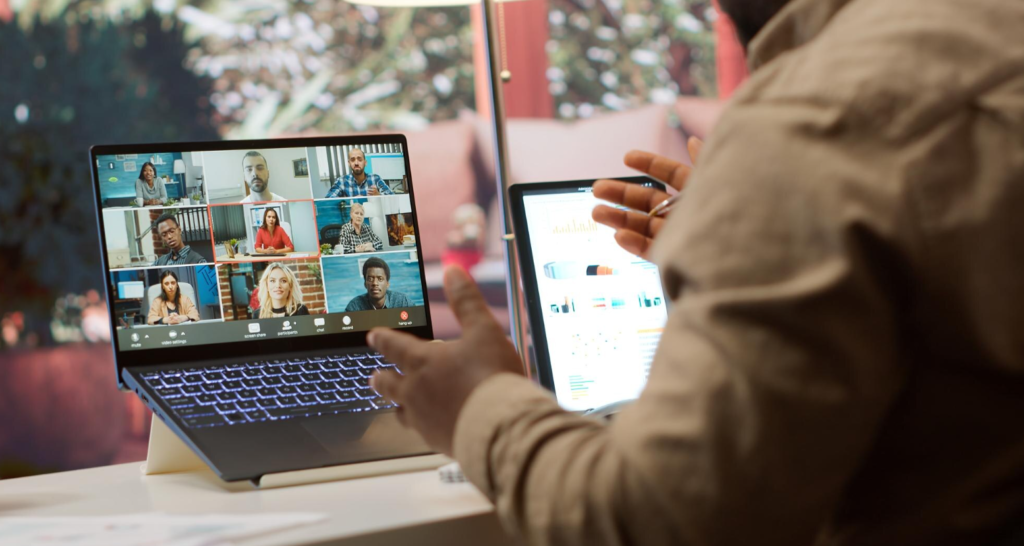
Culture used to be something you could feel the moment you walked into an office. The energy in the room, the jokes shared during lunch, the way people greeted each other in the morning, all of it added up to a sense of what a company was really like beyond its mission statement. Remote teams do not get any of this for free. There is no room to walk into, no lunch table to gather around, no hallway energy to absorb. This leaves a lot of business owners wondering if a remote team can even have real culture at all.
The answer is yes, but it looks and builds very differently than office culture does. Remote teams that feel genuinely connected and aligned did not get there by accident. They built culture on purpose, through specific choices about communication, values, and shared experience. This guide walks through how remote teams actually build strong culture, even when nobody on the team shares a physical space.
Why Remote Culture Requires More Intention
In a traditional office, culture often forms passively, as a byproduct of people spending time together every day. Shared habits develop naturally, inside jokes emerge on their own, and new hires absorb the unwritten rules of how things work simply by watching everyone around them. Nobody has to plan most of this. It just happens as a side effect of physical proximity.
Remote work removes this automatic culture building process entirely. Without shared physical space, none of these organic moments happen unless someone deliberately creates room for them. This is the biggest mental shift businesses need to make when they move from local hiring toward remote hiring and international hiring. Culture will not simply appear the way it might in an office. It has to be built through specific, repeated choices.

This becomes even more important once a business starts building a truly global team. A remote team spread across many countries brings together people with different working styles, communication norms, and even different assumptions about what a healthy workplace looks like. Without deliberate effort to build a shared culture, a global team can easily end up feeling more like a loose collection of individuals completing tasks than a genuine team working toward something together.
Understanding this difference changes how a business should approach team building from the very start. Instead of assuming a strong culture will develop naturally as the team grows, businesses hiring remote employees need to treat culture as something to build with the same intention they would put into hiring goals or a recruitment strategy, rather than something that will simply take care of itself over time.
Defining and Living Shared Values
Strong remote culture starts with clarity about what the team actually values, not just what gets written on a company website. Many businesses have a list of values somewhere in an employee handbook that nobody actually thinks about day to day. Remote teams that build genuine culture tend to make their values visible in how people actually work and communicate, not just in a document that gets read once during onboarding.
This starts with leadership modeling these values consistently, since remote employees pick up on what is actually rewarded and reinforced far more than what is simply stated. If a company claims to value work life balance but managers regularly send messages late at night expecting immediate responses, remote employees notice this contradiction quickly, and it undermines any real sense of shared culture far more than a mismatched value statement ever could.

Values also need to show up in how decisions get made and communicated across the team. If a company values transparency, this needs to be reflected in how openly information gets shared, not just claimed as an abstract principle. Remote employees who see decisions explained clearly, including the reasoning behind them, tend to feel more genuinely connected to the company’s direction than those who simply receive instructions without context.
Consistency matters enormously here too. A value that gets emphasized occasionally, only when convenient, rarely builds real culture. Values that show up consistently in daily communication, decision making, and how people treat each other across the team become the foundation that genuine remote culture gets built on, far more than any single statement or company meeting ever could.
Creating Shared Experiences Across Distance
Beyond shared values, remote teams build culture through shared experiences, even though these experiences look quite different from what happens naturally in a shared office. Since remote employees cannot bump into each other in a hallway or share a casual lunch, businesses need to create intentional moments that serve a similar purpose.
Regular team meetings that include space for personal conversation, not just work updates, give remote employees a recurring shared experience to look forward to. Opening a weekly call by simply checking in on how everyone’s week has been, before moving into work topics, creates small moments of genuine connection that accumulate into something real over time. This might feel like a small thing on any single occasion, but consistency across weeks and months is exactly what allows these moments to build into real culture.

Celebrating milestones together also plays a meaningful role in shared culture. Whether it is a work anniversary, a completed project, or simply someone doing great work on a smaller task, publicly recognizing these moments gives a remote team shared reference points, the kind of shared history that naturally builds culture over time. Without this recognition, remote employees can end up working in relative isolation, never quite feeling like part of a larger story the team is building together.
Occasional optional social gatherings, whether virtual game sessions, casual video hangouts, or simply a dedicated time to chat about something other than work, give remote employees a chance to connect as people rather than purely as coworkers. These work best when genuinely optional rather than mandatory, since forced social interaction tends to feel hollow, while a genuine, low pressure invitation tends to build real connection among those who choose to participate.
Documenting and celebrating the team’s shared history also helps build culture over time. Something as simple as a running log of team wins, memorable moments, or inside jokes that develop naturally through team interactions gives a remote team something to look back on together, creating the kind of shared story that a physical office might build through photos on a wall or memories tied to a specific space.
Bringing New Remote Employees Into the Culture
How a business brings new remote employees into an existing culture matters enormously for whether that culture stays strong as the team grows. A new hire who only receives a list of tools and job responsibilities during onboarding, without any real introduction to how the team actually works together, often takes much longer to feel like a genuine part of the culture, if they ever fully do.
Strong remote onboarding includes intentional introductions to team culture, not just company policy. This might mean pairing a new remote employee with an established team member for informal check-ins during their first few weeks, giving them a real person to ask questions to beyond just their direct manager. It might mean clearly explaining the reasoning behind team rituals, like why the weekly call always starts with casual conversation, so a new hire understands these are genuine parts of how the team works rather than arbitrary formalities.

Thoughtful talent acquisition during the hiring process itself also plays a role here. Bringing on remote employees who genuinely value connection and communication, not just technical skill, tends to lead to a much smoother integration into an existing culture. This is part of what good target talent analysis should account for during hiring, looking beyond a resume to understand how someone is likely to engage with a team, not just how well they can perform individual tasks.
Working with an experienced recruitment agency or staffing agency familiar with remote hiring can help identify these traits earlier, since strong hiring partners often understand what kind of communication style and cultural fit tend to succeed in a distributed team, not just what skills a role requires on paper. Tawlent Hiring Agency supports this process by bringing sourcing, vetting, hiring, and payroll together into a single platform, helping businesses build remote teams with people who are more likely to genuinely connect with and contribute to an existing culture from their very first day.
Building culture in a remote team takes more intentional effort than it does in a shared office, but the result can be just as strong, sometimes even stronger, once a business commits to building it deliberately. Clear shared values that actually get lived out, consistent shared experiences that build real connection over time, and thoughtful onboarding that brings new remote employees genuinely into the fold all play a part in this process.
Companies like Tawlent Hiring Agency show how the right support behind hiring can give a business a stronger foundation to build this kind of culture from the very start, helping remote teams feel like genuine communities rather than simply a group of people who happen to work for the same company, no matter how many countries that team happens to span.